
As the steam rises and fills my kitchen with intoxicating aromas, there’s something undeniably magical about crafting a traditional Vietnamese Pho recipe from scratch. This beloved noodle soup, with its deeply flavorful homemade broth and tender beef, invites you on a culinary journey to Vietnam with every slurp. In just three hours, you’ll create an authentic dish that’s not only a feast for the senses but also a comforting hug on a cold day. With its impressive depth of flavor and the promise of customization—from fresh herbs to spicy garnishes—this beef Pho will quickly become a go-to recipe in your collection. How about I show you how to make it?
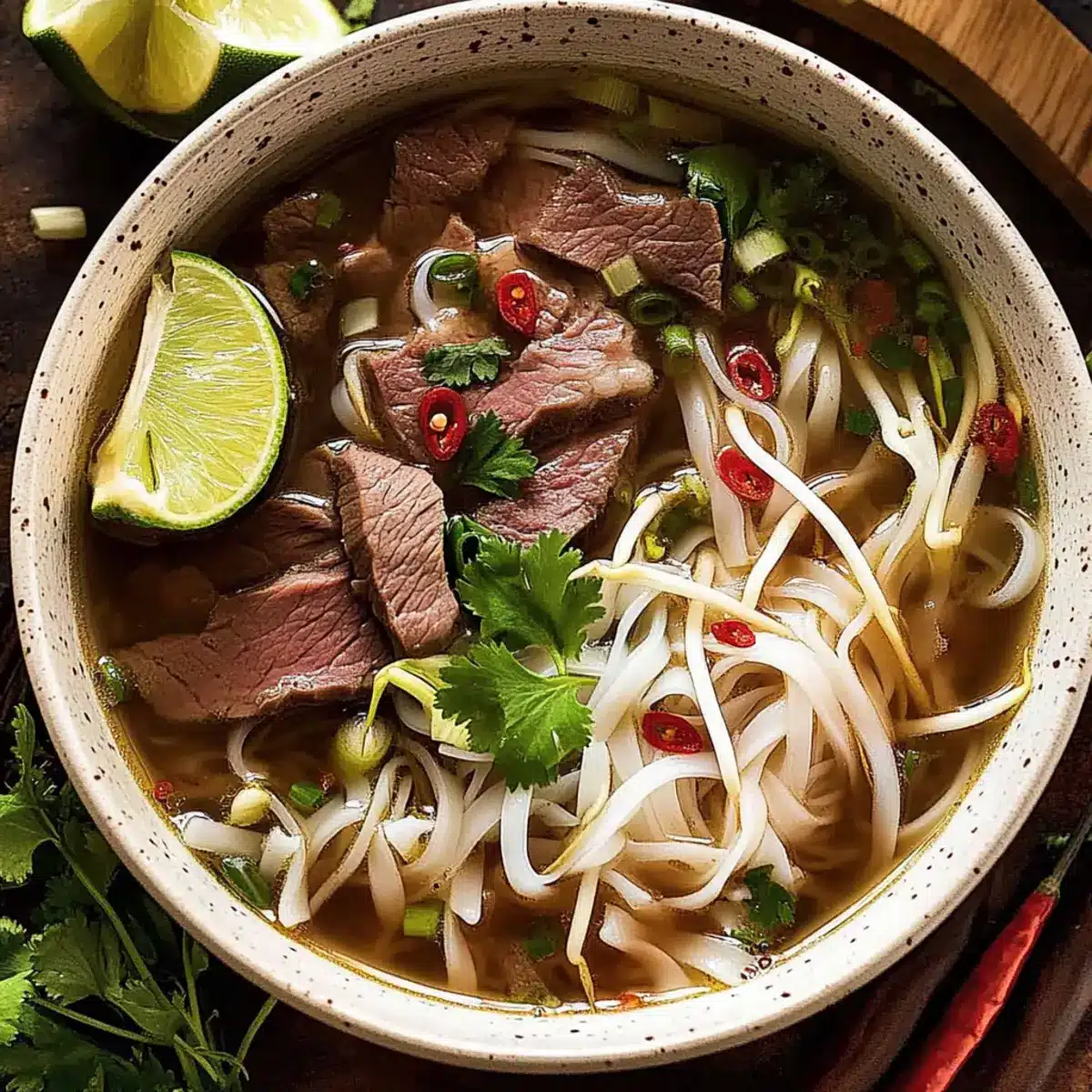
Why is Pho so special?
Authentic Flavor: This homemade Vietnamese Pho recipe captures the essence of traditional flavors, transporting you straight to Vietnam with every bite.
Ease of Preparation: With just three hours, you can create a rich, aromatic broth that rivals any restaurant’s—perfect for novice cooks and seasoned chefs alike.
Customizable Bowls: Each serving is a canvas! Top your Pho with fresh herbs, zesty lime, or spicy sriracha to cater to every palate.
Comforting Experience: The warmth and aroma of this dish wrap around you like a cozy blanket, making it an ideal meal for chilly evenings.
Perfect for Meal Prep: The broth freezes beautifully, allowing you to savor this culinary delight whenever you wish—just reheat and assemble!
Embrace the comforting flavors of this Vietnamese Pho recipe and turn a simple meal into a joyful culinary experience.
Vietnamese Pho Ingredients
• Here’s everything you need for an amazing Vietnamese Pho recipe!
For the Broth
- Beef Brisket – Provides rich beef flavor and tender texture; don’t skip for a robust broth.
- Meaty Beef Bones – Adds depth and richness to the broth; substitute with oxtail or more brisket if needed.
- Marrow Bones – Introduces essential richness; use leg or knuckle bones cut to expose marrow.
- Large Onions – Aromatic base for the broth; char them for added flavor.
- Ginger – Provides a smokey, aromatic element; slice and char before adding to the broth.
- Star Anise, Cinnamon, Cardamom, Cloves, Coriander Seeds – Essential spices for authentic flavor; toast lightly to enhance flavor before adding to broth.
- Fish Sauce – Adds umami and depth; can substitute with light soy sauce, but expect a different taste.
- Sugar and Salt – Balances the broth’s flavor profile.
For the Noodles
- Rice Noodles (Dried or Fresh) – The foundation for the soup; ensure they’re medium-sized for the best texture.
For Serving
- Beef Tenderloin – Used for serving, cooked by pouring hot broth over; thinly slice after partially freezing for easy cutting.
- Toppings – Bean sprouts, Thai basil, coriander, lime wedges, sliced red chili, hoisin sauce, sriracha; essential for traditional serving style and customization.
Embrace the comfort of your homemade Vietnamese Pho recipe and prepare to create a cozy meal that wraps around you like a warm hug!
Step‑by‑Step Instructions for Authentic Vietnamese Beef Pho
Step 1: Prepare Aromatics
Begin by charring the large onions and ginger in a dry skillet over medium-high heat for about 10 minutes, turning occasionally until they are nicely browned. This step enhances the depth of flavor in your Vietnamese Pho recipe. Once charred, remove them from the heat and set aside to infuse the broth.
Step 2: Remove Impurities
Place the beef brisket and bones into a large pot of cold water. Bring the water to a boil over high heat for 5 minutes, which helps release impurities. After boiling, drain and rinse the brisket and bones under cold water, ensuring a clearer broth for your Pho.
Step 3: Make Broth
In the same large pot, combine the rinsed bones and brisket with the charred onions, ginger, toasted spices, sugar, and salt. Add approximately 3.5 liters of fresh water. Bring this mixture to a rapid boil, then reduce to a simmer, covering the pot partially. Allow it to simmer for 3 hours, stirring occasionally, until the broth is rich and aromatic.
Step 4: Strain Broth
After simmering, carefully remove the brisket, placing it on a cutting board to cool. Continue simmering the broth uncovered for another 40 minutes to deepen its flavor. Strain the broth through a fine-mesh sieve into another pot, discarding the solids for a clear and flavorful Vietnamese Pho.
Step 5: Finish Broth
Once strained, season the broth with fish sauce, tasting and adjusting with additional salt and sugar as necessary. Bring the broth back to a gentle simmer, ensuring it’s piping hot and perfectly balanced in flavor, ready to embrace the noodles and tender beef.
Step 6: Assemble Pho
Cook the rice noodles according to package instructions in boiling water until tender, about 5-7 minutes. Divide the noodles among bowls, then layer the cooled brisket and raw, thinly sliced beef tenderloin on top. Ladle the steaming broth over the noodles and beef, allowing the tenderloin to cook slightly in the hot broth.
Step 7: Serve with Toppings
To complete your Vietnamese Pho, serve with an array of toppings on the side, including bean sprouts, Thai basil, fresh coriander, lime wedges, sliced red chili, hoisin sauce, and sriracha. This customization allows everyone to tailor their bowl to their personal taste, enhancing the comforting experience of your homemade Pho.
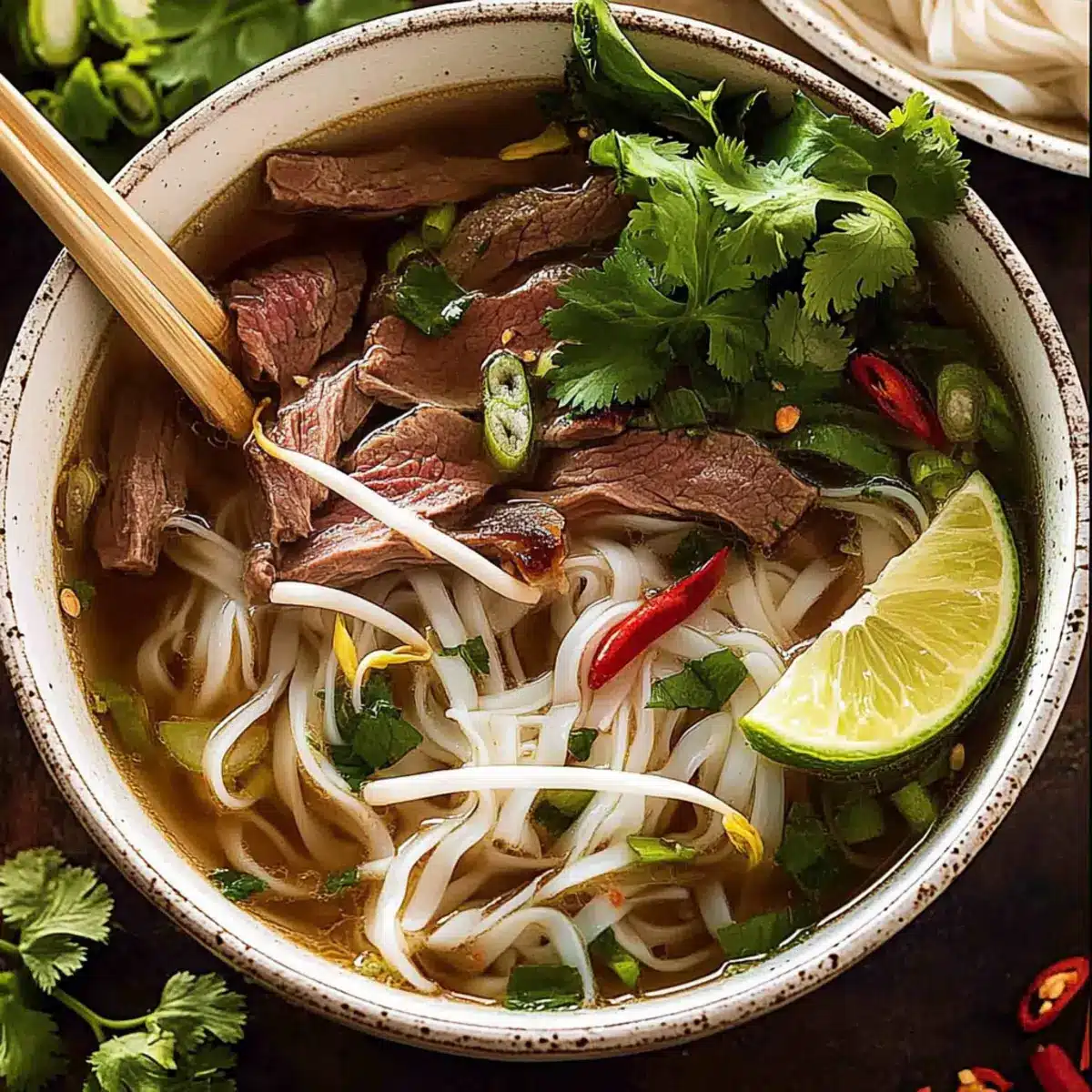
What to Serve with Authentic Vietnamese Beef Pho
The delightful experience of broth-infused noodles calls for harmonious sides to elevate your meal.
- Vietnamese Rice Paper Rolls: These fresh rolls filled with shrimp or vegetables add a refreshing crunch that complements the warm soup beautifully.
- Lemongrass Chicken: Juicy grilled chicken marinated in fragrant lemongrass offers a savory contrast, enhancing the overall Vietnamese dining experience.
- Crispy Spring Rolls: Crunchy and packed with flavor, these will satisfy your appetite while adding a contrasting texture to the smooth broth.
- Chili Lime Dressing: Drizzle over your Pho or serve with side dishes for a zesty kick; it highlights the rich flavors in the bowl.
- Asian Cucumber Salad: Crisp cucumbers dressed in a tangy vinaigrette provide a cool accompaniment that balances the broth’s warmth.
- Thai Iced Tea: This sweet, creamy drink soothes the palate and makes for a lovely pairing with the aromatic spices of the Pho.
- Mango Sticky Rice: End your meal on a sweet note with this traditional dessert; its lush flavors are a delightful way to close your Vietnamese feast.
- Fresh Herbs Platter: Provide a vibrant mix of basil, mint, and cilantro for your guests to personalize their bowls, enhancing the fragrant experience.
Vietnamese Pho Recipe Variations
Feel free to explore your culinary creativity and make this dish your own with these exciting twists!
-
Vegetarian Pho: Replace the beef broth with a rich vegetable stock, adding umami through miso paste and mushrooms.
-
Noodle Swap: Experiment with different noodle types like udon or whole grain options for a unique twist on texture.
-
Flavor Boost: Incorporate fresh lemon grass while simmering the broth for an aromatic lift that infuses bright flavor.
-
Spicy Kick: Add sliced jalapeños or a sprinkle of crushed red pepper flakes to each bowl for a warm, spicy finish.
-
Alternative Proteins: Swap beef brisket for chicken or tofu for a lighter version that still delivers comfort.
-
Herb Medley: Beyond the traditional Thai basil and coriander, try adding mint or cilantro for a burst of fresh flavor in your bowl.
-
Broth Enhance: For a deeper flavor, consider adding dried shiitake mushrooms during broth preparation.
-
Nutty Texture: Toasted sesame oil drizzled over each serving adds a lovely nutty finish that’s delightfully unexpected.
Each variation invites you to tailor your Pho experience, bringing your personal taste to this cherished dish. Don’t hesitate to blend in ideas and flavors, and if you’re looking for more inspiration, try serving your delicious Pho alongside some Vietnamese rice paper rolls for a complete and satisfying meal!
Expert Tips for Vietnamese Pho Recipe
-
Choose Quality Meat: Use high-quality beef brisket and bones for the richest flavor. Avoid lower cuts like chuck, as they can compromise the broth’s taste.
-
Char Aromatics: Always char your onions and ginger before adding them to the broth. This simple step amplifies the depth of flavor in your Vietnamese Pho.
-
Rinse Bones Thoroughly: After boiling the bones for impurities, rinse them under cold water. This will ensure a clear and beautiful broth, free from any undesired flavors.
-
Taste and Adjust: Don’t hesitate to taste your broth towards the end and adjust seasoning with fish sauce, salt, and sugar. This balance is key to a delicious Vietnamese Pho experience.
-
Customize with Toppings: Encourage creativity with toppings! Fresh herbs, lime, and spicy sauces allow each guest to enjoy their Pho according to their taste preferences.
How to Store and Freeze Vietnamese Pho
Fridge: Store any leftover homemade broth in an airtight container in the fridge for up to 3 days. Make sure it cools before sealing to maintain freshness.
Freezer: The broth freezes beautifully! Pour it into freezer-safe containers or zip-top bags, labeling with the date. It can be frozen for up to 3 months—perfect for future Vietnamese Pho cravings!
Reheating: When ready to enjoy, thaw the broth overnight in the fridge or heat directly from frozen, adding to a pot over medium heat until piping hot.
Leftovers: Any leftover beef can be refrigerated or frozen as well. It’s delicious in other dishes or simply reheated as a quick protein addition to your next bowl of soup.
Make Ahead Options
These Vietnamese Pho recipe components are perfect for meal prep! You can prepare the broth up to 3 days in advance and refrigerate it in an airtight container, ensuring it stays just as flavorful when you’re ready to use it. To maintain quality, cool the broth completely before refrigerating and reheat it gently to blend the flavors just before serving. Also, you can char the onions and ginger and store them, as well as toast the spices the day before to save precious time. When it’s time to enjoy your Pho, simply reheat the broth, cook your rice noodles fresh, and assemble your bowls with tender beef and toppings for a delicious meal with minimal effort!
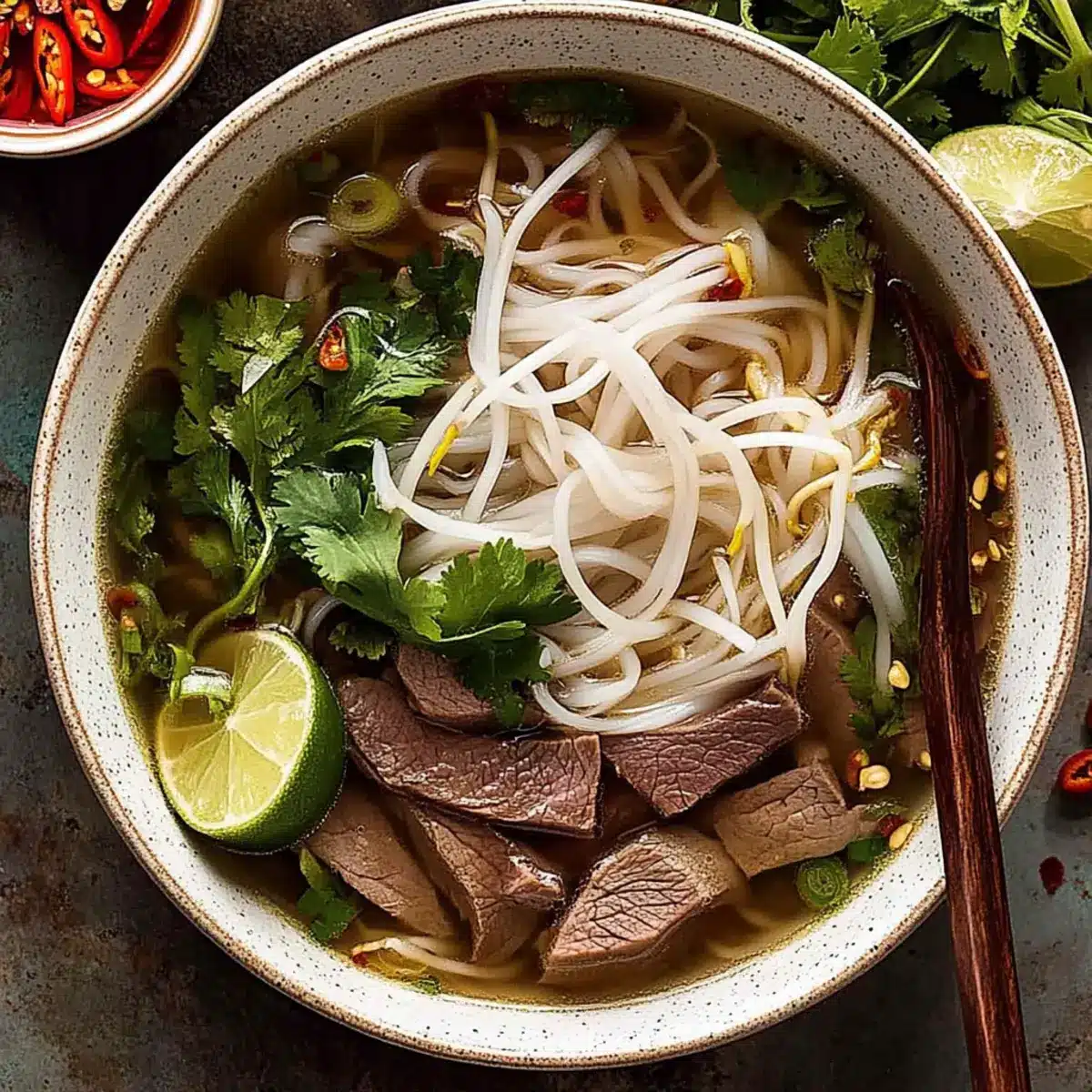
Vietnamese Pho Recipe FAQs
What should I look for when selecting beef brisket for Pho?
When selecting beef brisket, I recommend looking for a piece that has a good amount of marbling, as this fat will render and enrich the broth. Avoid cuts that have a lot of dark spots or a dry appearance. Fresh brisket should feel firm and have a bright color, showing it’s full of flavor for your Vietnamese Pho recipe.
How should I store leftover Pho broth?
To store your broth, cool it completely first, then transfer it to an airtight container. In the fridge, it can last for up to 3 days. If you want to keep it for longer, you can freeze it, which is perfect for retaining the delicious flavor. Just use freezer-safe containers or zip-top bags, and it can be stored for up to 3 months.
Can I freeze the noodles with the broth?
I wouldn’t recommend freezing cooked noodles in the broth, as they tend to become mushy when thawed. Instead, cook the noodles fresh each time you reheat the broth. If you have leftover raw noodles, store them in a cool, dry place, and they can be used later without any issues.
What if my broth isn’t as clear as I’d like it to be?
No worries! If your broth turns out cloudy, it might be due to not rinsing the bones thoroughly after boiling. For next time, make sure to boil them for about 5 minutes, then rinse under cold water well. This process helps ensure your broth is as clear as possible. You can also simmer your broth slowly and strain it through a fine-mesh sieve or cheesecloth to enhance clarity.
Are there any dietary considerations I should keep in mind?
Absolutely! If you have dietary restrictions, you can easily modify your Vietnamese Pho recipe. For lactose intolerance, you’re safe, as this recipe doesn’t contain dairy. If you’re gluten-free, make sure to use gluten-free rice noodles and check that your fish sauce is free from gluten. For vegetarians, consider substitute ingredients like vegetable stock, mushrooms, and firm tofu to replicate the umami depth without meat.
How can I customize my Pho toppings?
The beauty of Pho is its customization! Start with the classic toppings like bean sprouts, Thai basil, and sliced lime. To add a kick, try fresh red chili slices or drizzle some hoisin sauce and sriracha on top. You can also experiment with adding different herbs or pickled vegetables based on your flavor preferences. The more, the merrier!
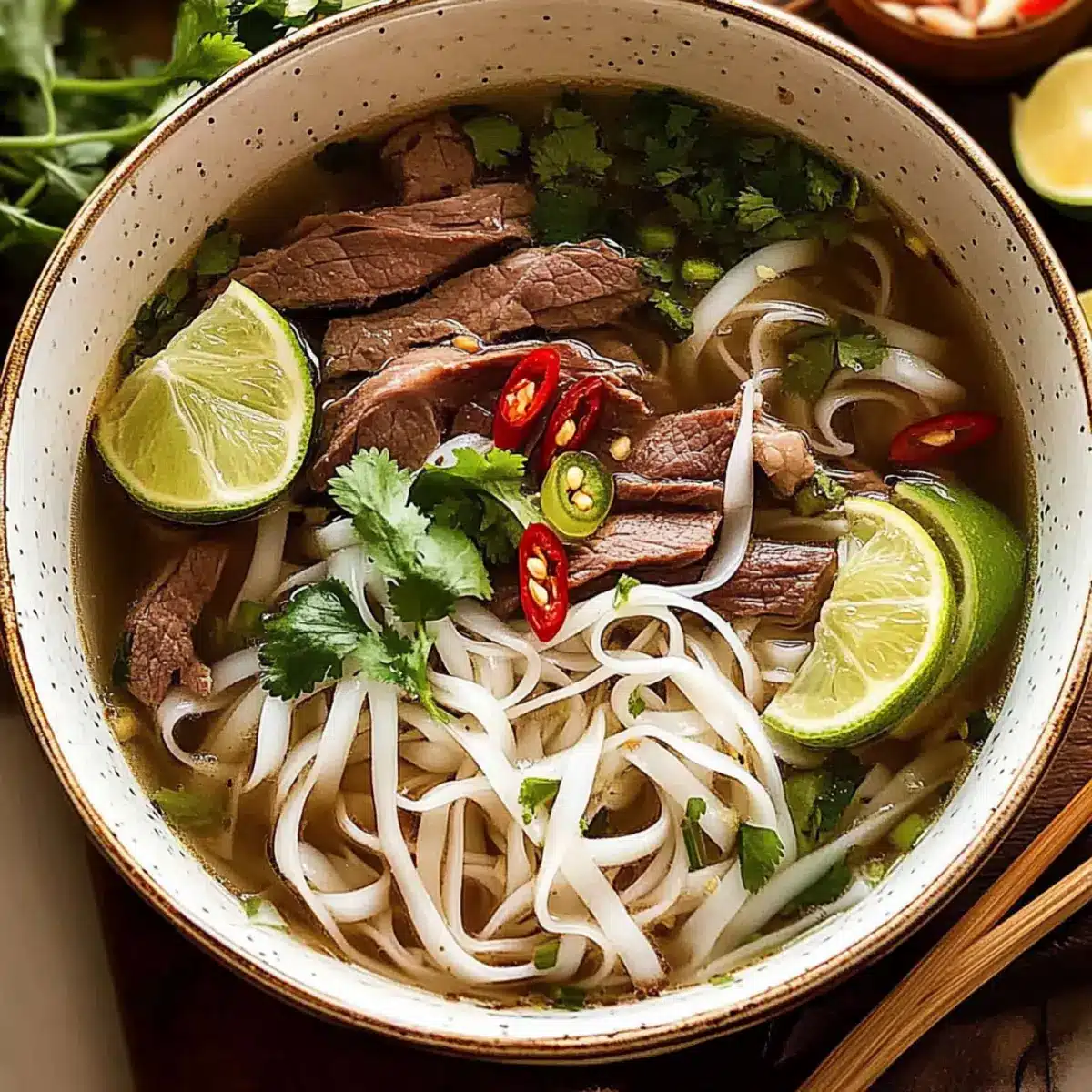
Heavenly Vietnamese Pho Recipe: Comfort in Every Bowl
Ingredients
Equipment
Method
- Prepare Aromatics: Begin by charring the large onions and ginger in a dry skillet over medium-high heat for about 10 minutes, turning occasionally until they are nicely browned.
- Remove Impurities: Place the beef brisket and bones into a large pot of cold water and bring to a boil for 5 minutes, then drain and rinse.
- Make Broth: In the same pot, combine the bones, brisket, charred onions, ginger, toasted spices, sugar, and salt with approximately 3.5 liters of fresh water; bring to boil.
- Strain Broth: After simmering, carefully remove the brisket and strain the broth through a fine-mesh sieve, discarding solids.
- Finish Broth: Season the strained broth with fish sauce, adjusting salt and sugar as necessary, and bring back to a gentle simmer.
- Assemble Pho: Cook the rice noodles, divide among bowls, layer with brisket and thinner beef slices, and ladle steaming broth over top.
- Serve with Toppings: Serve with an array of toppings on the side for customization.
Leave a Reply